

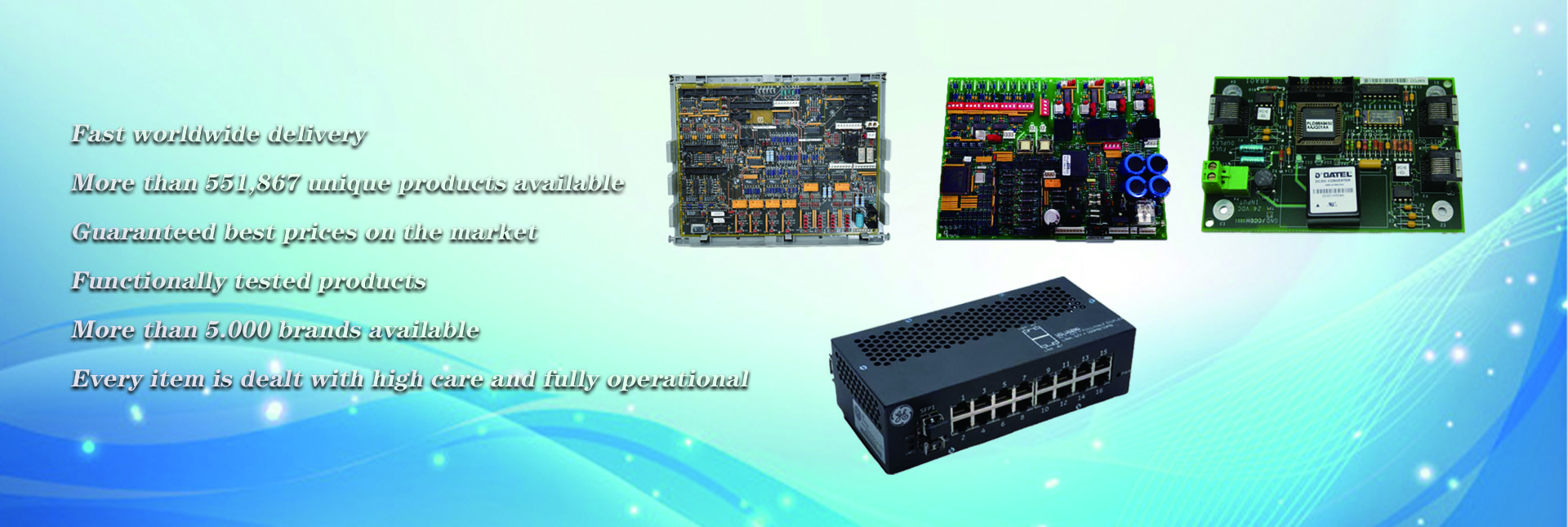
PLC modules serve as the central control foundation for modern agricultural irrigation automatic control equipment, bridging environmental sensing points, water distribution valves, pump stations and remote management logic to support precise water delivery across diverse farmland layouts. These industrial-grade control components are engineered to operate reliably in open-air agricultural environments, where high humidity, wide temperature swings, dust from soil and crop residue, and unstable power supply conditions create strict demands for long-term uninterrupted performance.
The modular design allows irrigation systems to scale seamlessly from small family vegetable plots to large contiguous field operations, adjusting water distribution dynamically according to real-time crop water demand rather than following rigid pre-set fixed schedules. This level of precise control directly reduces unnecessary water waste, supports healthier root system development for different crop varieties, and cuts down the manual labor traditionally required for daily irrigation patrol and valve adjustment work.
Soil and Environmental Sensing Signal Processing
Distributed input modules connect directly to soil moisture sensors, rainfall detectors, solar radiation trackers and air humidity nodes placed at multiple depth levels and different locations across the irrigated area. These modules filter out transient signal interference caused by sudden temperature shifts, loose sensor wiring or temporary surface water splashes, converting raw physical readings into stable, calibrated data that the control system can use to make accurate irrigation decisions.
Each input channel supports independent calibration to match the unique soil composition of different field zones, whether the area consists of sandy loam, heavy clay or mixed organic farmland. The modules run automatic validation checks on every incoming data point, flagging readings that fall far outside historical normal ranges as potential sensor faults, rather than using unreliable data to trigger incorrect irrigation cycles. This prevents overwatering in low-lying zones that naturally retain more moisture, while ensuring sufficient water delivery to sloped areas that drain faster after each watering session.
For large farms spread across several kilometers, these modules support long-distance signal transmission over existing field wiring without significant data lag, eliminating the need for frequent on-site trips to collect manual readings.
Valve and Pump Station Output Drive Control
Output modules deliver carefully regulated drive signals to electric control valves, variable frequency pump drives and flow regulation units, guiding each component through smooth start, speed adjustment and shutdown cycles to avoid water hammer pressure shocks that can damage pipeline networks. The embedded control logic opens valves in staggered sequence across different field zones, rather than activating all irrigation points at the same time, to maintain stable water pressure throughout the entire distribution pipeline.
These modules support segmented flow adjustment that matches the specific water pressure requirements of drip irrigation lines, sprinkler systems and micro-spray setups used in different crop growing areas. They also include built-in protection routines that automatically shut down pump operation if abnormal flow or pressure values indicate a burst pipeline or blocked filter, preventing excessive water loss and potential field flooding.
For operations that combine multiple irrigation methods across one property, the modules can coordinate simultaneous operation of different watering zones without creating conflicting pressure demands that reduce system efficiency. This adaptive drive logic also extends the service life of pump and valve components by reducing unnecessary mechanical wear from frequent full-power starts and stops.
Remote Communication and Operational Status Monitoring
Dedicated communication modules handle data exchange between the field control system and remote management terminals, transmitting real-time irrigation status, sensor readings and equipment health updates to off-site operators through standard industrial communication protocols. These modules support intermittent network connection conditions common in remote rural areas, temporarily storing operational data locally when wireless signal is weak and automatically uploading all accumulated records once connection is restored.
The modules run continuous background self-checks on every connected valve, pump and sensor node, generating targeted fault alerts that clearly indicate the location and basic nature of the issue, so maintenance staff can arrive on site with the correct tools and prepare appropriate troubleshooting steps in advance. They also log full historical irrigation records including total water usage, operation duration for each zone, and corresponding environmental conditions, creating consistent datasets that support seasonal planting planning and water resource allocation optimization.
Automatic safety interlock routines pause all irrigation operation immediately if rain sensors detect sufficient natural precipitation, preventing redundant watering that could oversaturate soil and harm crop root health. For facilities that plan to integrate additional functions such as fertilizer injection control, weather forecast data linkage or multi-field coordinated management in the future, the modular architecture allows new functional channels to be added without full replacement of the existing control framework. This flexible design makes the system adaptable to evolving agricultural production requirements over many growing seasons.
Post time: Aug-21-2026