

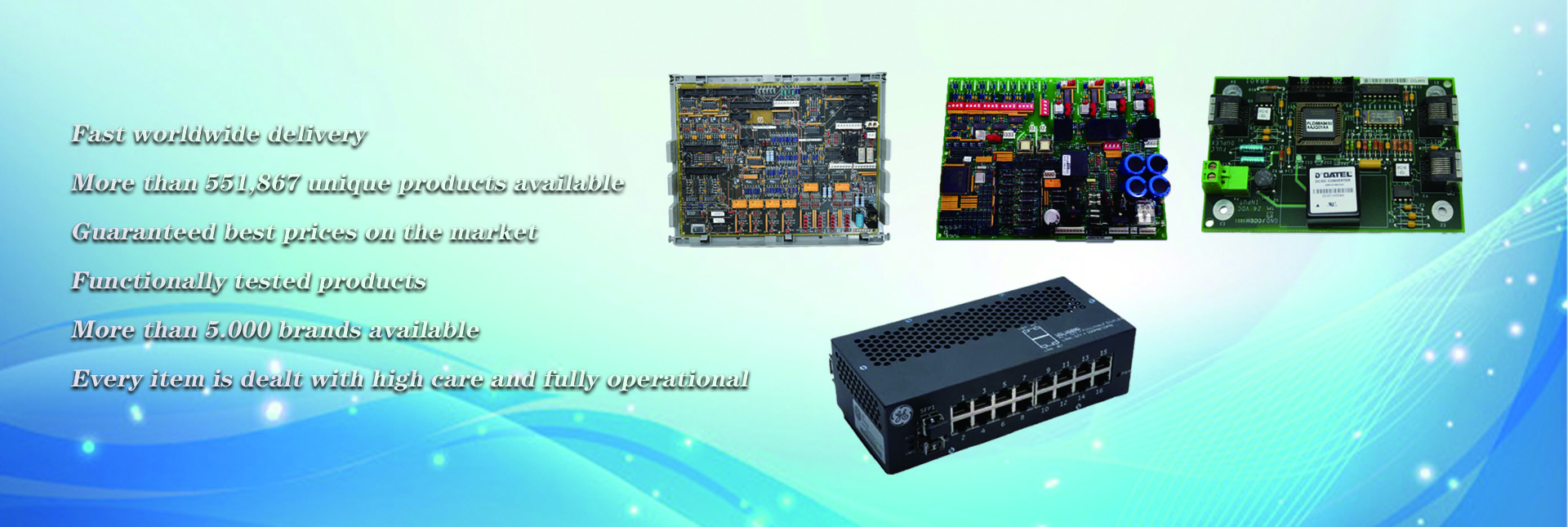
PLC modules form the core control backbone of modern conveyor belt systems, where real-time signal processing, interlock logic execution, and responsive motion management directly determine operational safety, material handling efficiency, and long-term uptime. In heavy-duty industrial environments ranging from mining and bulk material processing to high-speed manufacturing and logistics distribution, these modules replace traditional hardwired relay systems to deliver flexible, reconfigurable control that can adapt to changing production requirements. Their ability to operate reliably under continuous vibration, wide temperature swings, and heavy dust exposure makes them uniquely suited for the demanding conditions that most conveyor belt installations encounter on a daily basis.
Multi-Level Interlock and Safety Logic Execution
For conveyor belt systems that span long distances or connect multiple processing stations, PLC modules handle the full scope of interlock safety functions that prevent unplanned equipment damage and personnel risk. They continuously monitor emergency stop pull cords, belt drift sensors, blockage detectors, and speed monitoring inputs distributed along the entire conveyor length, and trigger immediate, pre-programmed responses the moment an abnormal condition is detected. This distributed signal processing ensures that no single safety event is missed, and that upstream and downstream conveyor sections automatically coordinate their startup and shutdown sequences to prevent material spillage, belt overload, or accidental reverse movement. In multi-conveyor networks, the modules also enforce sequential startup that starts downstream units first and upstream units last, eliminating the risk of material piling up on a stationary belt when the system begins operation.
Real-Time Load Balancing and Material Flow Regulation
PLC modules dynamically adjust conveyor belt operating speed and motor torque output based on real-time material volume, downstream processing capacity, and incoming feed rate data. By integrating readings from weigh scales, level sensors, and downstream equipment status signals, they can automatically ramp down conveyor speed during periods of low material flow or ramp up to full rated speed when the system is operating under peak load. This adaptive control not only reduces unnecessary energy consumption during light load conditions but also prevents sudden, unregulated material surges that could overwhelm downstream crushers, screening units, or packaging stations. For facilities that run multiple parallel conveyor routes, the modules can also redistribute material flow across different paths to balance wear and tear, extend overall equipment service life, and avoid overloading any single conveyor section for extended periods.
Condition Monitoring and Predictive Maintenance Enablement
Beyond basic motion control, PLC modules collect and process operational data that supports proactive condition monitoring for conveyor belt components. They continuously track drive motor current, reducer temperature, belt running hours, and the frequency of minor alignment corrections, and flag subtle performance deviations that indicate developing wear or component fatigue long before a catastrophic failure occurs. This data can be aggregated and sent to higher-level monitoring platforms to generate trend reports that show how conveyor performance changes over weeks and months, allowing maintenance teams to schedule component replacements, belt tension adjustments, and roller inspections during planned production windows instead of reacting to unexpected breakdowns. This shift from reactive to predictive maintenance significantly reduces unplanned downtime, cuts emergency repair costs, and helps conveyor belt systems maintain consistent throughput even under heavy, continuous operational demands.
Post time: Nov-04-2026