

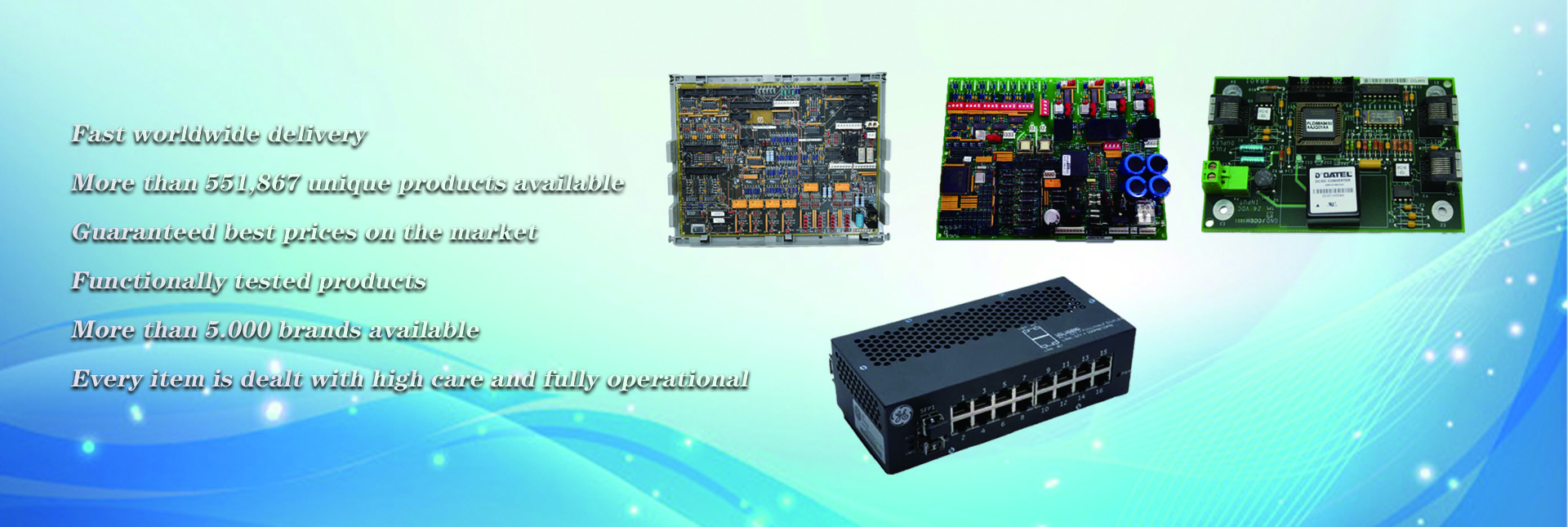
Ethernet connection forms the backbone of modern industrial automation, allowing control systems to share real-time data, coordinate distributed operations, and integrate smoothly with higher-level plant management workflows. PLC modules built for this purpose create a stable bridge between local logic execution and the wider industrial network, so that control decisions made on the shop floor can be synchronized with monitoring, logging, and remote adjustment functions across the entire facility. This kind of connectivity turns isolated machine control into a coordinated system that responds faster to changing production conditions.
Reliable data transmission in harsh industrial environments depends on robust physical and protocol handling built into the connection process. Ethernet-enabled PLC modules are designed to maintain consistent communication even when exposed to electrical noise, vibration, fluctuating temperatures, and heavy network traffic from other nearby devices. They handle data packet sequencing, error correction, and retransmission in real time, so that critical control commands and process values arrive intact without the delays or corruption that could disrupt continuous operations. This level of stability is especially important in high-speed manufacturing, motion control, and continuous process applications where even a brief communication gap can lead to unplanned downtime.
Seamless integration with existing plant infrastructure reduces friction during system upgrades and expansion. Many facilities already have established Ethernet networks in place for office IT, data logging, and supervisory control, and adding PLC modules with native Ethernet support lets engineers connect new control points without overhauling the entire network layout. These modules work alongside standard network switches, cables, and security practices that most industrial teams already understand, making deployment more predictable and lowering the learning curve for maintenance staff who will support the system long term. This compatibility also makes it easier to connect different generations of control equipment, so older machines can share data with newer systems without being fully replaced right away.
Ethernet-connected PLC modules support flexible access for diagnostics, programming, and remote adjustment. Instead of requiring a technician to stand directly in front of a machine to upload new logic or troubleshoot a fault, authorized users can connect from a designated engineering station across the plant network. This capability cuts down travel time between work cells, speeds up fault resolution, and allows teams to perform routine maintenance tasks without interrupting ongoing production any more than necessary. When configured with proper access controls, this remote reach also creates a safer working environment by reducing the amount of time technicians need to spend near moving machinery or high-energy process areas.
Careful network configuration and ongoing maintenance keep Ethernet-connected PLC systems performing reliably over years of operation. Teams that document IP address assignments, segment traffic between control and non-control networks, and perform regular health checks on connection points are far less likely to encounter unexpected communication drops or performance bottlenecks. Simple habits like verifying cable routing away from high-power lines, checking connector seating during routine equipment inspections, and keeping firmware updated according to the manufacturer’s documented guidelines help preserve the long-term stability of every Ethernet-connected PLC node on the factory floor.
Post time: Nov-11-2026