

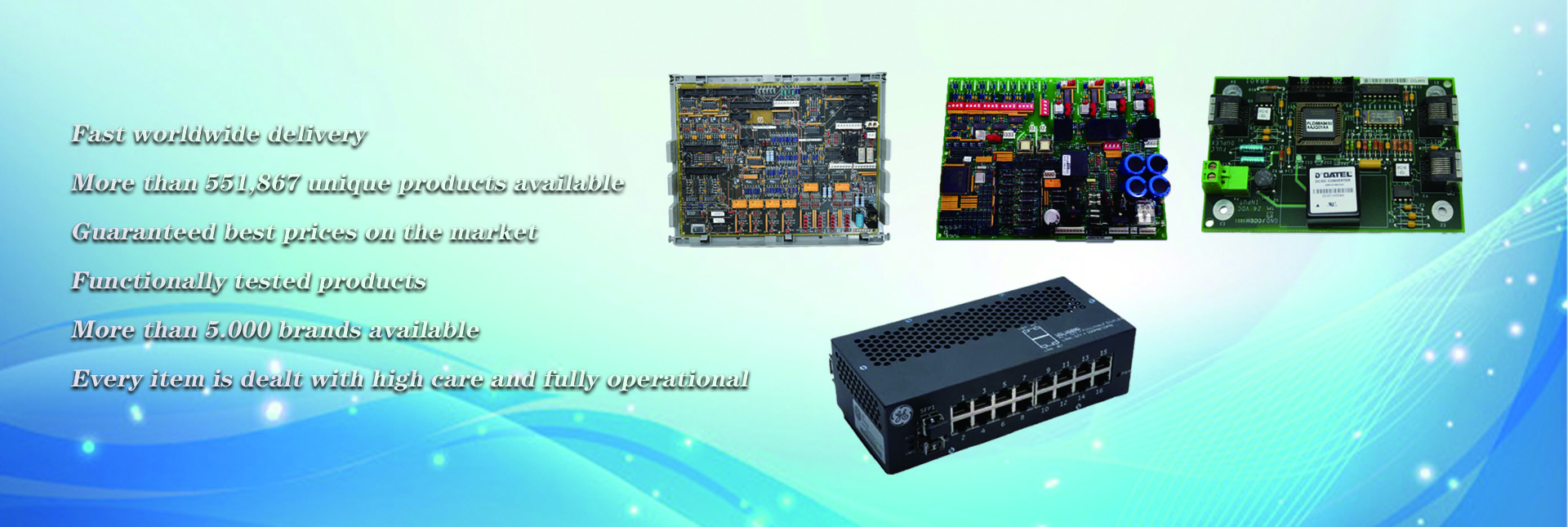
In heavy industrial sites where standard automation hardware struggles to maintain stable operation, PLC modules designed for harsh conditions form the core of reliable, uninterrupted production control. These units are built to withstand continuous exposure to conditions that would quickly cause unplanned shutdowns, signal drift, or permanent component damage in general-purpose automation systems. Every design choice and installation practice for these modules comes directly from decades of field experience in mining, heavy manufacturing, outdoor processing facilities, and other sites where uptime directly impacts operational safety and overall output.
Vibration and mechanical shock resistance in continuous operation
Many harsh industrial sites expose control hardware to constant, unpredictable vibration generated by heavy rotating machinery, conveyor systems, or mobile processing equipment. Over long operating hours, even small, repeated mechanical movement can loosen terminal connections, shift internal circuit board components, or create intermittent signal faults that are extremely difficult to trace during routine troubleshooting. Harsh-environment PLC modules are engineered with reinforced internal circuit board mounting, locked terminal block structures, and shock-absorbing base assemblies that absorb these forces without allowing internal components to shift. During installation, operators can further improve performance by mounting the module rack on a rigid, welded support frame rather than a thin sheet metal panel, and routing signal cables with gentle, curved loops that prevent tension from transferring vibration directly to the module ports. This combination of purpose-built hardware and correct installation eliminates the vast majority of intermittent faults caused by mechanical stress.
Wide temperature range operation and thermal management
Sites that experience extreme seasonal temperature swings, unheated outdoor locations, or areas close to high-temperature processing equipment demand PLC modules that can operate reliably far outside standard indoor temperature limits. General-purpose modules often develop signal drift, slow processing response, or unexpected shutdowns when exposed to sustained temperatures below freezing or above 55 degrees Celsius. Harsh-environment PLC modules use industrial-grade electronic components rated for extended temperature ranges, with internal thermal layouts that distribute heat evenly across the circuit board to avoid localized hot spots that degrade component life over time. Even with this robust design, operators should avoid mounting modules directly adjacent to furnace exhaust vents, uninsulated steam lines, or areas exposed to direct midday sunlight for long periods. Adding a simple, filtered forced-air ventilation system near the module rack can prevent localized overheating, while small insulated enclosure heaters prevent moisture condensation and low-temperature starting failures in unheated winter conditions.
Dust, corrosive atmosphere, and electrical noise protection
Facilities handling fine mineral dust, chemical fumes, metalworking mist, or high-power variable frequency drives create two separate major threats to PLC module performance: airborne contamination and severe electrical interference. Fine conductive dust and corrosive fumes that seep into standard module enclosures can build up on circuit board surfaces, creating unintended signal paths or slowly corroding connector pins until connections fail completely. Harsh-environment modules use sealed internal circuit board coatings, fully enclosed port covers, and rugged housing designs that block these contaminants from reaching sensitive internal components. For sites with extremely high contamination levels, mounting the entire PLC rack inside a filtered positive-pressure enclosure that circulates clean, dry air from outside the processing area adds an extra layer of protection that drastically reduces required cleaning frequency. For electrical noise generated by nearby high-voltage motors or large welding equipment, these modules include built-in signal filtering, isolated communication channels, and shielded internal wiring that prevents common-mode interference from distorting analog readings or causing unexpected digital signal misreads. Running all low-level signal cables in separate grounded conduit, several meters away from high-power motor cables, further reinforces this noise immunity and creates a control system that remains stable even under the most demanding plant conditions.
Long-term field maintenance and performance verification
Even the most rugged harsh-environment PLC modules require targeted, low-frequency maintenance to retain full performance across years of continuous operation. During scheduled production shutdowns, operators can wipe down the outer housing and port areas with a dry, soft brush to remove accumulated surface dust, check that all terminal screws remain securely tightened to eliminate vibration-induced looseness, and verify that ventilation paths around the module rack are completely clear of any blocked debris. Regularly comparing logged analog signal readings against independent calibrated reference instruments catches slow signal drift long before it impacts process control, while periodic communication link testing confirms that data transfer speeds remain consistent even as site conditions change over time. These small, structured maintenance steps ensure harsh-environment PLC modules deliver reliable, long service life without the frequent unplanned interventions that plague standard automation hardware in the same operating conditions.
Post time: Nov-16-2026