

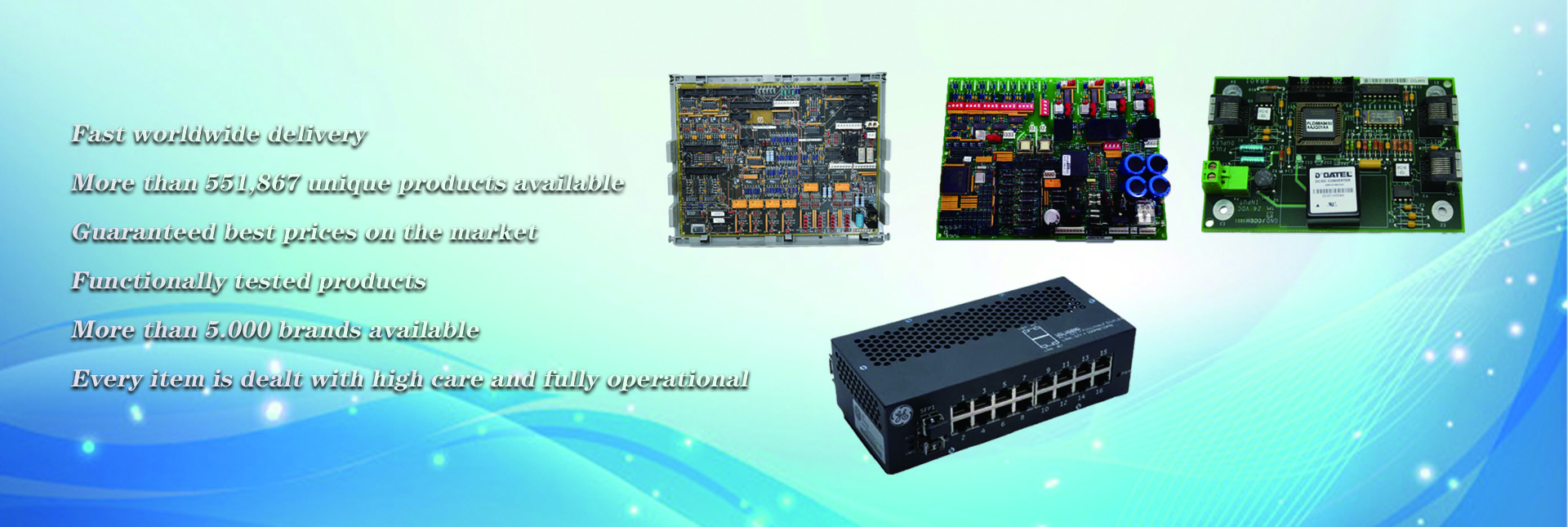
Hot swappable PLC module design targets zero system downtime when a unit is inserted or removed from a live energized rack, without triggering unexpected CPU shutdown, bus communication collapse, or damage to adjacent operating components. This capability is not a single part feature, but a coordinated system behavior that spans mechanical, electrical, and logical layers of the entire PLC architecture. Every design choice must account for real industrial conditions, where unplanned shutdowns can halt continuous production lines, disrupt process data logging, and create costly recovery delays that extend far beyond the time needed to swap a single faulty unit.
Sequenced mechanical and electrical contact structure
The physical connector interface is built with staggered contact lengths, so ground pins make first connection and break last during insertion and removal, before any power or signal pins engage or disengage. This sequencing eliminates floating voltage states that could send transient spikes across the backplane and corrupt data on neighboring modules. The housing also includes mechanical guides and positive stops that enforce exact alignment during mating, preventing partial connection that could cause intermittent arcing, short circuits, or uneven pin wear over repeated swap cycles. These mechanical features remove much of the human error risk during field replacement, even when maintenance staff work quickly under tight production pressure.
Controlled power inrush and fault isolation circuitry
Every hot swappable module integrates dedicated power regulation that limits inrush current during insertion, ramping up voltage to the module’s operating level gradually rather than allowing an immediate full current draw that could pull down the shared backplane supply. This circuit also provides active fault isolation, so a damaged module being removed cannot drag down the bus voltage or create a short that impacts every other unit on the rack. The design includes built-in voltage monitoring that flags abnormal current draw before it escalates, and holds the module’s output channels in a predefined safe state until the unit completes full initialization and confirms stable operation to the main controller.
Bus communication glitch prevention logic
All signal lines on the module are held at a defined high-impedance state during insertion, so they do not send unintended noise or data conflicts across the active industrial bus as pins make contact. Transceiver circuits are tuned to suppress transient voltage spikes that could otherwise be misread as valid data packets, preventing false command triggers or unexpected state changes in downstream field devices. The main PLC controller also runs a dedicated diagnostic routine the moment a new module is detected on the bus, verifying module identity, configuration match, and channel health before integrating the unit back into the active control logic, with no disruption to ongoing operations on already installed modules.
System-level logical coordination and runtime data retention
The full hot swap design relies on preconfigured system behavior that triggers specific diagnostic interrupts the moment a module is removed or inserted, rather than letting the CPU enter an error state that halts all processing. Active I/O channels on the swapped module are held in a user-defined safe hold state during the full replacement window, so valves do not drop out, motor drives do not receive unintended stop commands, and running process sequences do not lose their stored runtime values. This logical layer also logs every swap event to the system diagnostic buffer, creating a clear audit trail for maintenance teams to track component replacement history and spot recurring fault patterns before they cause larger system issues.
Proper hot swappable PLC design eliminates the need for full system shutdown during routine module replacement, and cuts mean time to repair for field faults from hours to minutes, directly supporting higher uptime in continuous process and high-throughput manufacturing environments.
Post time: Nov-18-2026