

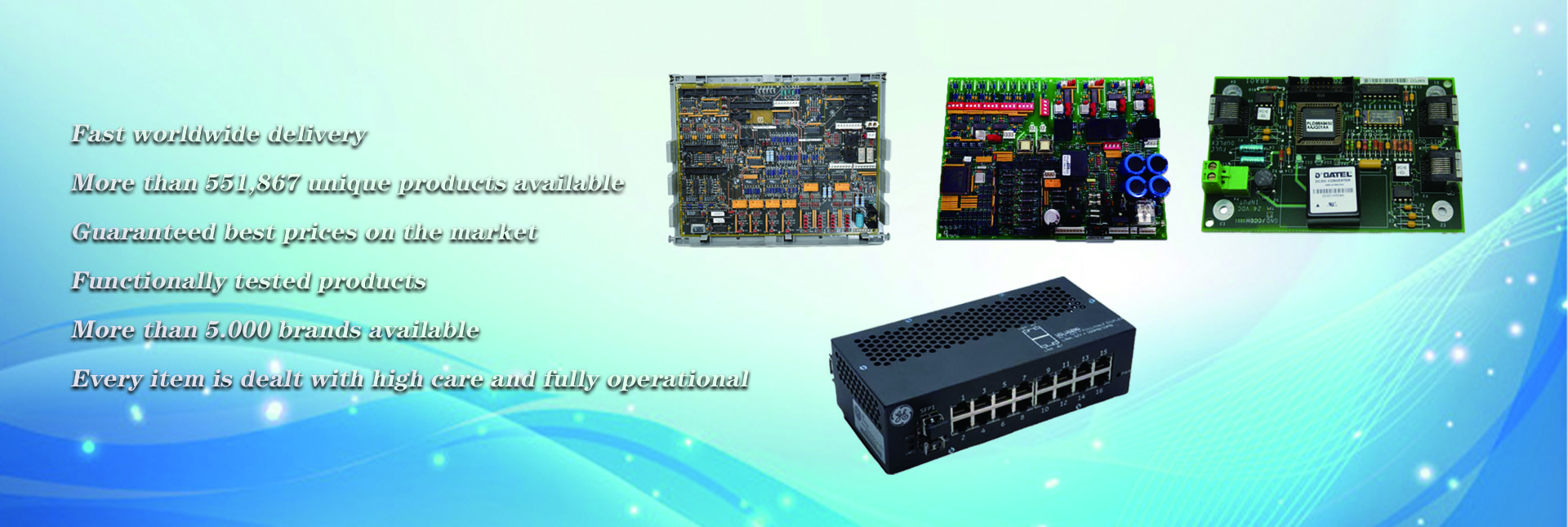
Large rack type expandable PLC modules form the backbone of complex industrial automation systems that need to handle thousands of I/O points across distributed production lines, process facilities and large-scale manufacturing plants. Their structural design, backplane communication performance and expansion flexibility directly define the maximum scale and operational reliability of the entire control architecture for large industrial projects.
Mechanical Structure and Rack Layout Design
The main rack frame is built with high-strength rigid materials that can withstand long-term mechanical vibration from heavy industrial equipment, preventing deformation or loose connections even after years of continuous operation. Slot positions on the rack are arranged with uniform spacing, leaving enough ventilation space between adjacent modules to avoid local overheating when all units run at full load. The guide rail design for module insertion and extraction is optimized with smooth chamfered edges, so technicians can install or replace modules without applying excessive force that might damage internal connectors. The overall structure reserves dedicated space for power distribution and backplane signal routing, separating high-current power paths from low-voltage communication traces to reduce potential electromagnetic interference. Reinforced locking mechanisms are added for every module slot, ensuring each unit stays firmly in place even under severe vibration conditions in heavy industry sites such as steel mills or mining processing plants.
Backplane Communication and Data Transmission Architecture
High-speed parallel bus traces on the backplane are laid out with equal-length routing rules, to minimize signal transmission delay differences between different slots and ensure synchronous data exchange across all modules. Independent communication channels are designed for each slot, preventing data congestion that might occur when multiple high-speed modules try to send large volumes of data to the CPU at the same time. The backplane protocol supports automatic module identification, so the main control unit can recognize the type and configuration of any newly inserted module without requiring manual system restart. Signal integrity testing is carried out across the full operating temperature range, to make sure data transmission remains stable even when the ambient temperature inside the large control cabinet changes significantly. The total bandwidth of the backplane is designed with generous headroom, to accommodate future expansion of high-bandwidth modules such as high-speed motion control or large-capacity communication units without needing to replace the entire rack.
Multi-Rack Expansion and System Scalability
The expansion interface on the main rack follows consistent electrical and timing standards, allowing users to connect multiple secondary expansion racks to extend the total number of available I/O slots as project demands grow. The maximum total length of expansion connection paths is designed to cover the typical span of large industrial control rooms, ensuring reliable signal transmission without introducing unacceptable data delay. The system supports flexible module arrangement across all connected racks, so users can place analog modules, motion control units and communication modules in any slot position according to their on-site wiring convenience. The expansion architecture also maintains consistent power load distribution rules across all racks, preventing overloading on a single power supply unit even when the system is expanded to its maximum capacity. Special signal amplification and isolation measures are added on expansion connection ports, to eliminate the impact of electromagnetic interference from long expansion cables running across large industrial facilities.
Every design consideration for these large rack type expandable PLC modules is built on practical experience from hundreds of large-scale industrial automation deployments, addressing the unique challenges of building and maintaining high-reliability control systems that can grow alongside expanding production operations.
Post time: Jul-20-2026