Welcome to our websites!


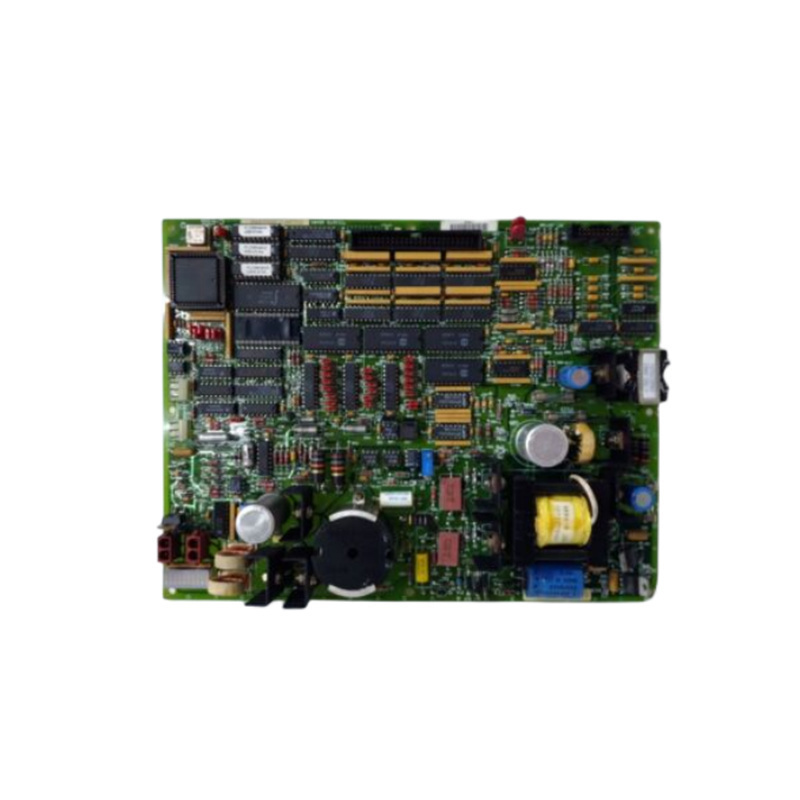
GE DS3800HCVA1H1F Control Module
GE DS3800HCVA1H1F
1. Overview
The GE DS3800HCVA1H1F is a dedicated control module belonging to the GE Mark IV series, a line of modules engineered exclusively for industrial operating environments. This series stands out for its exceptional high reliability, operational flexibility, and scalable performance, making it a core component in industrial control systems. It communicates with compatible controllers (such as the MVI500) via the backplane bus, enabling high-speed data refreshing and precise, real-time industrial process control to meet the stringent demands of complex industrial scenarios.
______________________________________________________________________________________________
2. Technical Specifications
- Processor: 32-bit microprocessor, delivering stable and efficient computing power for industrial control tasks
- Memory: 256MB RAM + 1GB Flash Memory, supporting large-capacity data storage and fast program operation
- Environmental Adaptability: Operating temperature range of -20℃ to 70℃, IP20 protection grade, adaptable to harsh industrial on-site environments
- Dimensions: Approx. 120mm x 80mm x 40mm, compact structure for easy installation in limited space
______________________________________________________________________________________________
3. Product Features
High-Speed Data Acquisition and Processing: The module supports millisecond-level data refresh rates, enabling real-time monitoring and precise control of field equipment. It captures and processes industrial field data instantaneously, ensuring the timeliness and accuracy of control instructions, which is critical for high-demand industrial automation processes.
High-Reliability Industrial Design: Featuring a cast aluminum outer casing for robust physical protection, the module integrates internal TVS diodes and fuses to prevent damage from power surges and overcurrent faults. The optocoupler isolation layer effectively eliminates ground loop interference, shielding internal electronic components from external electrical noise and extending the module’s service life in harsh industrial conditions.
Modular Design and Excellent Scalability: It supports a wide range of I/O combinations, including analog, digital, and pulse signals, catering to diversified industrial control requirements. The backplane bus connection allows for rapid system function expansion, making it easy to upgrade or adjust the control system according to on-site needs without major structural modifications.
Strong Compatibility: The module is compatible with multiple mainstream industrial communication protocols, such as Modbus and Profibus. This high compatibility simplifies the integration process, allowing seamless access to existing SCADA or DCS systems, reducing system transformation costs and improving overall control system interoperability.
______________________________________________________________________________________________
4. Structure and Composition
Signal Conditioning Layer: The input channels are configured with programmable gain amplifiers (PGA) and high-precision ADCs to filter and amplify weak field signals, ensuring the authenticity and accuracy of collected data. The output channels integrate DACs and V/I conversion circuits to convert digital control signals into stable analog signals for field equipment driving.
Isolation Protection Layer: Composed of optocoupler isolation components and DC/DC isolated power supplies, this layer forms a comprehensive electrical isolation barrier. It blocks electrical interference between different circuits, guarantees the integrity of signal transmission, and prevents cross-circuit damage, enhancing the system’s anti-interference capability and operational stability.
Communication Module: Acting as the data transmission hub, it exchanges real-time data with master controllers (e.g., MVI500) via the high-speed backplane bus. This ensures high-speed synchronization between the module and the entire control system, maintaining coordinated operation of all system components.
Front Panel Indicator Lights: Equipped with dedicated LED indicators to display real-time statuses of power supply, communication, and fault conditions. The intuitive light signals allow on-site maintenance personnel to quickly identify and locate module faults, shortening troubleshooting time and improving maintenance efficiency.
______________________________________________________________________________________________
5. Application Areas
- Power System: Substation automation, generator set control, power distribution network monitoring and management, providing stable control support for safe and efficient operation of power facilities
- Energy & Petrochemical Industry: Boiler control system, petroleum refining process control, pipeline pressure and flow monitoring, adapting to the high-safety and high-stability requirements of petrochemical production processes
- Industrial Automation: Production line equipment control, industrial robot motion control, industrial process monitoring systems, widely used in various manufacturing and processing industries to realize automated and intelligent production
______________________________________________________________________________________________
6. Installation and Maintenance
Installation
This module is generally installed in a standard 19-inch cabinet and fixed via DIN rails for firm and convenient installation. During installation, ensure the correct connection between the backplane bus and the master controller, and strictly avoid reverse connection of power cables, which may cause irreversible damage to the module’s internal circuits and components.
Maintenance
The front panel LED indicators provide a direct way to judge the module’s operating status; maintenance personnel can quickly determine whether the module is functioning normally through the indicator light states. Regularly inspect the radiator (if equipped) and dust-proof screen, keep the module’s operating temperature within the specified range, and remove dust accumulation to avoid overheating faults caused by poor heat dissipation.
Safety Precautions
Before performing any maintenance operations, always cut off the power supply to the module and the entire control system. Additionally, wear anti-static gloves to operate, as static electricity can easily damage sensitive internal electronic components and affect the module’s performance and service life.
————————————————————————————————————-
If you would like to learn more about our products and services, please feel free to contact us at any time!
- Sales Manager : Jinny
- Email : sales5@xrjdcs.com
- Whatsapp/Mobile:+86 15359273791
Global renowned brand cooperation
ABB 丨 GE 丨Allen Bradley 丨 Honeywell 丨 Emerson 丨 Bently Nevada 丨 Westinghouse
Triconex 丨 Foxboro 丨 ICS Triplex 丨 Hima 丨 Schneider 丨 Yokogawa 丨 Woodward
—————————————————————————————
Our Advantages
Our Core Strengths
100% Brand New & Original Products
- 12-Month Warranty: We provide a full 12-month warranty for all our products, offering reliable after-sales protection and eliminating your worries about product quality and usage.
- Premium Quality: Every product is crafted with high-grade materials and undergoes strict quality inspection procedures, ensuring stable performance and long service life to meet your high-standard demands.
- Competitive Pricing: We optimize production and supply chain costs, offering cost-effective products without compromising quality, helping you maximize cost savings and market competitiveness.
Professional After-Sales Service
Our dedicated after-sales team boasts rich industry experience and professional technical capabilities. We provide timely, efficient and personalized after-sales support, responding quickly to your inquiries, solving usage problems and handling related issues throughout the product life cycle.
Adequate Supply Capacity
We own a diverse range of high-quality products to cover various application scenarios and customer needs. With sufficient inventory reserves, we can fulfill large bulk orders at any time, ensuring smooth order fulfillment and avoiding delivery delays caused by insufficient stock.
Contact Us for More Details!
Why Choose Us?
- Competitive Prices: Unbeatable pricing strategy backed by optimized supply chain and mass production, bringing you greater cost advantages.
- 12-Month Warranty: Comprehensive quality assurance for all products, safeguarding your rights and interests for a long term.
- Professional Service: One-stop professional service from pre-sales consultation to after-sales support, delivering a seamless cooperation experience.
- Guaranteed Brand New & Genuine Products: Strict quality control system ensures 100% brand new and authentic products, refusing any refurbished or counterfeit goods.
- On-Time Delivery: Efficient production scheduling and logistics system guarantee prompt delivery, meeting your project and market demand deadlines.

Write your message here and send it to us