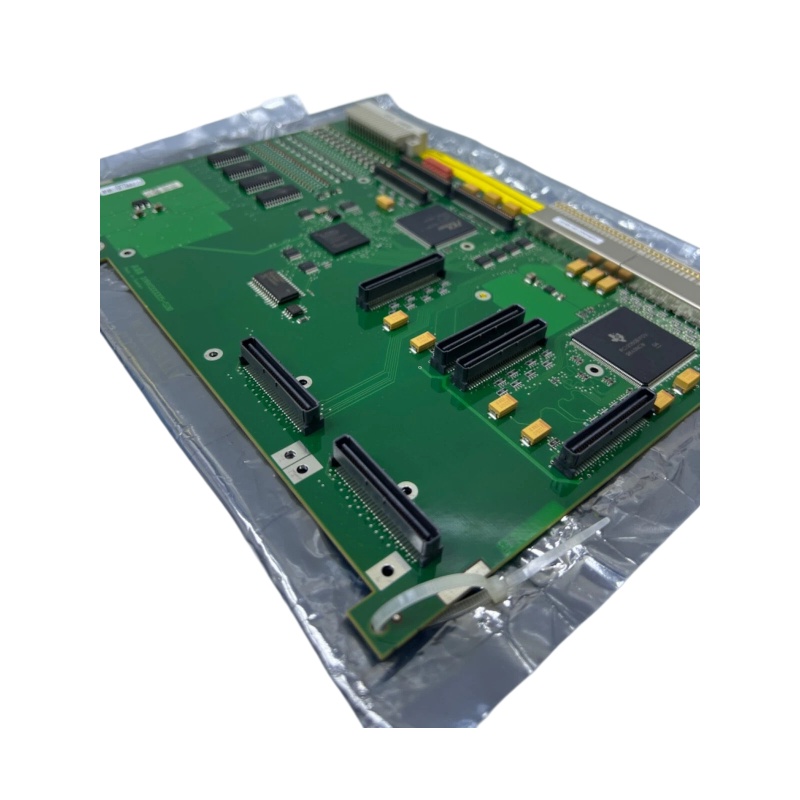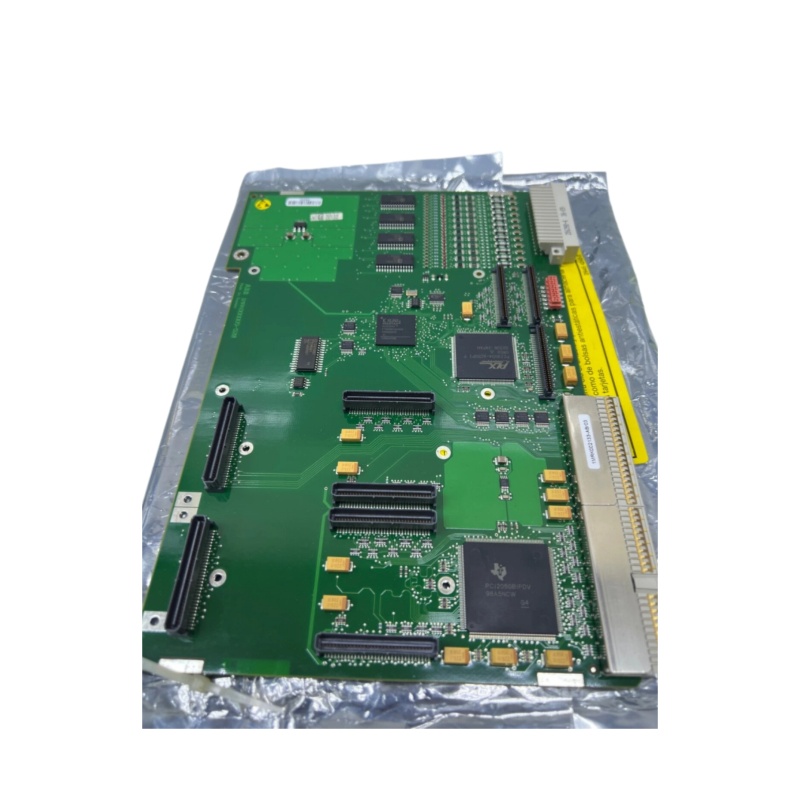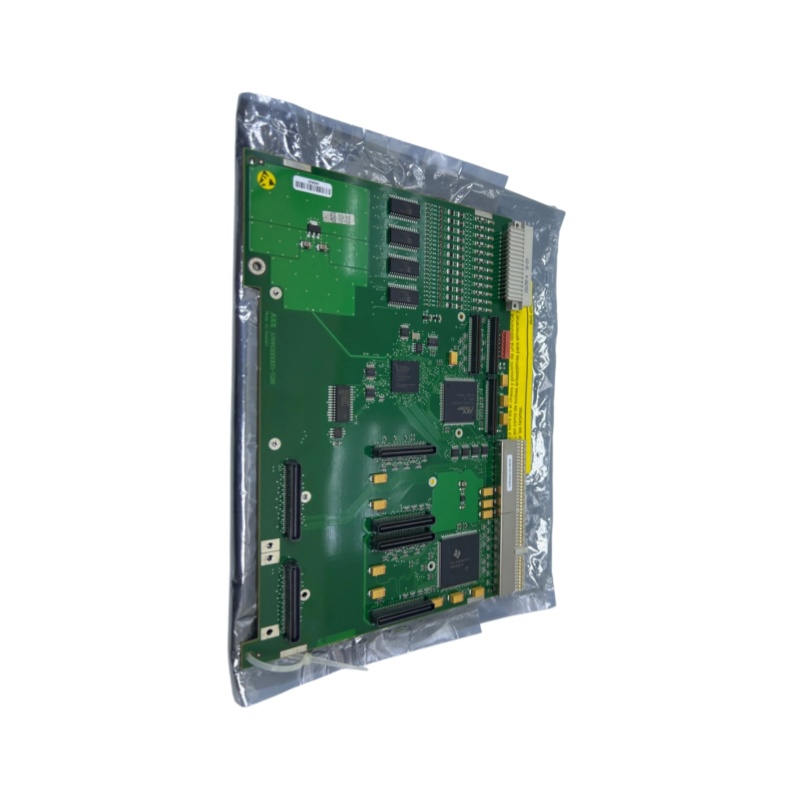

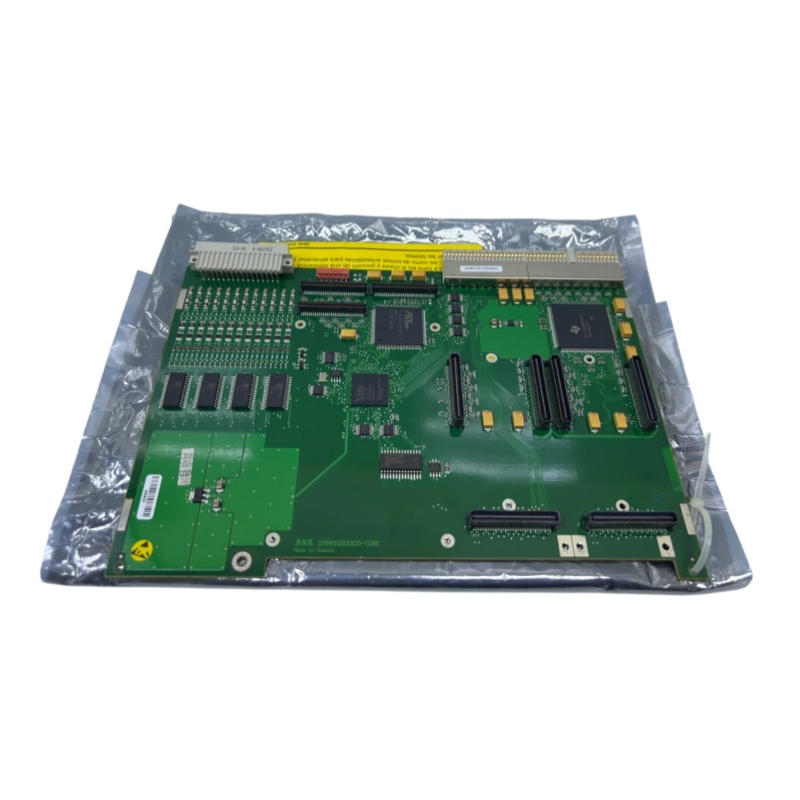
ABB 1MRK000005-520 1MRK002133-ABR03 Industrial Control Board
ABB 1MRK000005-520
1. Overview
2. Main Parameters
|
Parameter Item
|
Specification
|
|---|---|
|
Product Type
|
Analog-to-Digital Conversion Module (ADC) / Control Board
|
|
Resolution
|
16-bit precision
|
|
Channel Function
|
Simultaneous conversion of multi-channel analog signals
|
|
Weight
|
Approximately 2kg
|
|
Overall Dimension
|
Compact design
|
3. Product Features
4. Structure and Composition
4.1 Hardware Composition
4.2 Interface Configuration
4.3 Signal Input Type
- 1 residual current input (1/5A)
- The rated values of current and voltage inputs can be adjusted via basic configuration parameters
- The binary input threshold can be selected and adjusted within the range of 18…176 V DC through parameter configuration
5. Application Fields
- Industrial Automation Systems: Signal acquisition, conversion and data processing for PLC and automated control systems.
- Industrial Process Control: Real-time process monitoring and automatic control for chemical, petroleum and other process industries.
- Power and Electrical Systems: Core signal control and data processing for power regulation, power generation and power distribution systems.
- Data Acquisition Systems: High-precision data collection for factory automated production and equipment health status monitoring.
- Large-Scale Industrial Enterprises: Production control and signal monitoring for petroleum refining, cement and mining, papermaking, shipbuilding and other heavy industrial industries.
6. Installation and Maintenance
6.1 Installation Precautions
- ESD Protection: Strict electrostatic discharge protection specifications must be followed when handling the electronic board, including standard grounding measures and operation in designated ESD-protected professional areas.
- Professional Installation: All installation operations are recommended to be completed by professional and technical personnel in strict accordance with the wiring diagrams and technical specifications in the official technical manual.
- Connection Verification: Confirm that the board address setting is consistent with the actual hardware wiring to ensure accurate one-to-one mapping between signals and physical equipment.
- Installation Position: Install the board as close as possible to the protected equipment, and keep the signal connection path shortest to reduce signal loss and interference.
6.2 Maintenance Guidelines
- Regular Inspection: Conduct periodic inspections on the grounding reliability and hardware connection tightness of the board to eliminate potential hidden dangers.
- Environmental Adaptation: Although the product is designed to operate stably in harsh industrial environments, it is still necessary to maintain a dry, dust-free and temperature-stable working environment to extend service life.
- Fault Diagnosis and Maintenance: In case of equipment faults, refer to the official technical manual for standardized fault diagnosis, troubleshooting and professional maintenance services.
————————————————————————————————————-
If you would like to learn more about our products and services, please feel free to contact us at any time!
- Sales Manager : Jinny
- Email : sales5@xrjdcs.com
- Whatsapp/Mobile:+86 15359273791
Global renowned brand cooperation
ABB 丨 GE 丨Allen Bradley 丨 Honeywell 丨 Emerson 丨 Bently Nevada 丨 Westinghouse
Triconex 丨 Foxboro 丨 ICS Triplex 丨 Hima 丨 Schneider 丨 Yokogawa 丨 Woodward
—————————————————————————————
Cut Maintenance Costs – Optimize operations and reduce expenses with our high-quality, affordable automation replacement parts.
Always Available – Essential automation parts are constantly in stock, ensuring zero downtime for your operations.
24/7 Support – Our team is ready around the clock to assist with urgent needs and inquiries.
Fast Delivery – Ready stock enables quick dispatch and fast shipping, keeping your operations running smoothly.
100% Quality Assurance – Every part is strictly tested to ensure reliability and long-term performance.
Competitive Pricing & Outstanding Service – Exceptional service and unbeatable pricing maximize your value.
Choose us today for peace of mind, cost savings, and operational efficiency like never before!