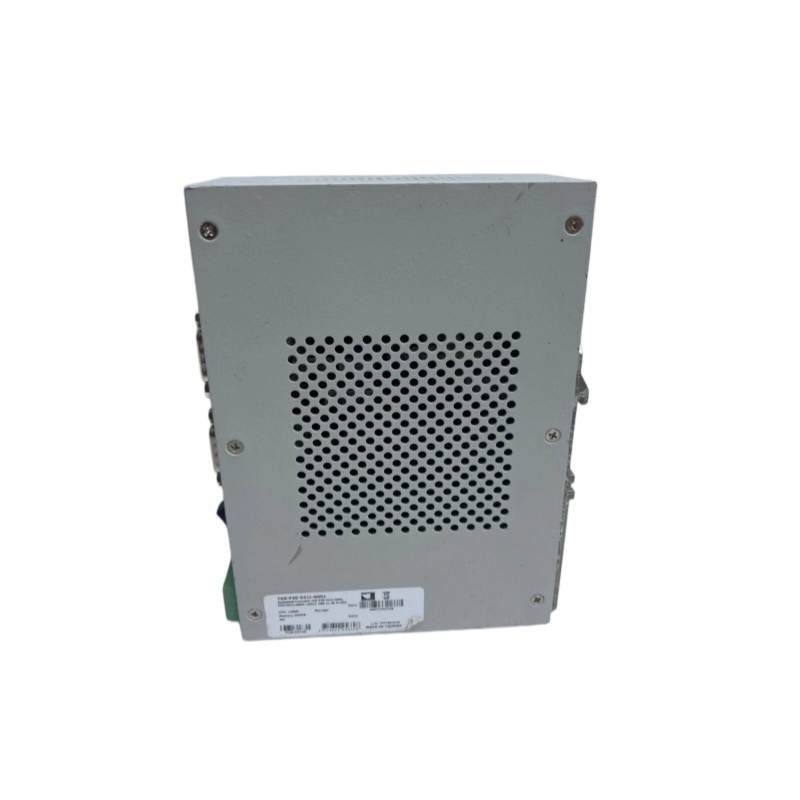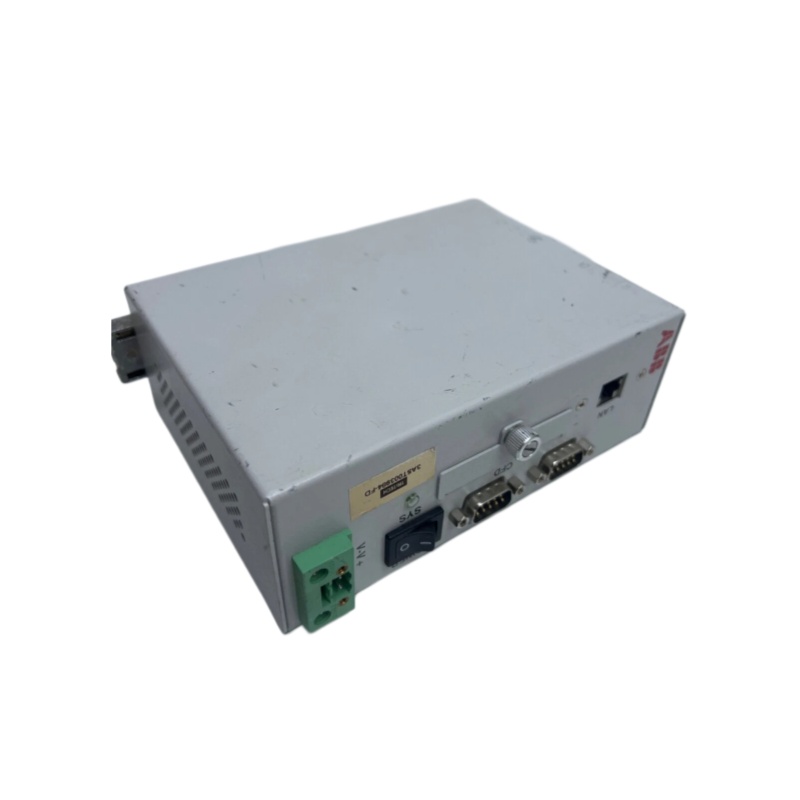
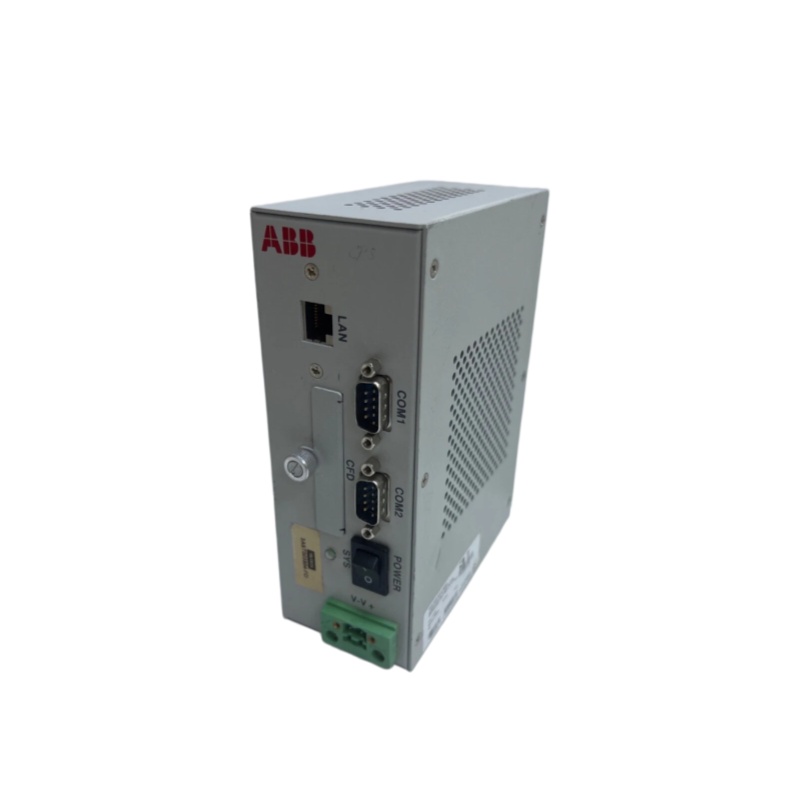
ABB TKS-P20-541I-N001 Controller
ABB TKS-P20-541I-N001
1. Overview
2. Technical Specifications
|
Parameter Category
|
Technical Specifications
|
|---|---|
|
Processor
|
AMD Geode LX800 Processor (500MHz)
|
|
Chipset
|
AMD LX800 + CS5536 I/O Chipset
|
|
Memory
|
Onboard DDR 333 SDRAM, maximum support of 256MB
|
|
Storage Interface
|
IDE interface, CompactFlash card slot
|
|
Network Connection
|
2 × 10/100Base-TX Ethernet ports
|
|
USB Interface
|
4 × USB 2.0 ports
|
|
Serial Port
|
4 × Serial Ports
|
|
Parallel Port
|
1 × Parallel Port
|
|
Watchdog Timer
|
Built-in Watchdog Timer
|
|
Expansion Interface
|
PC/104 socket for modular stacking and expansion
|
|
Display Support
|
Integrated VGA controller with 2D engine, supporting CRT and LCD display
|
|
Dimension
|
96mm × 90mm (Standard PC/104 Size)
|
3. Product Features
- WiTAS I: –25℃ to +70℃
- WiTAS II: –40℃ to +80℃
4. Structure and Composition
4.1 PC/104 Modular Structure
4.2 Main Components
- CPU Mainboard: The core processing unit responsible for system operation, data calculation and logic control.
- Memory Module: Onboard DDR SDRAM, providing high-speed temporary data storage for system operation.
- Storage Device: Supports IDE hard disk and CompactFlash card for persistent data storage.
- Communication Interface Module: Integrates Ethernet, USB, serial and parallel ports to realize data transmission and device communication.
- Power Management Module: Includes power input and voltage stabilization circuits to ensure stable and safe power supply for the whole system.
5. Application Fields
- Industrial Automation Control: PLC control systems, automated machine control units and production line control equipment.
- Data Acquisition System: On-site sensor signal collection, data processing and real-time data transmission.
- Human-Machine Interface (HMI): Industrial touch screen control systems, on-site operation panels and monitoring terminals.
- Edge Computing: Local edge computing nodes for data processing and analysis in harsh industrial environments.
- Communication Equipment: Industrial network routers, data gateways and communication relay devices.
- Transportation Industry: Vehicle-mounted control systems and rail transit on-board control equipment.
- Instrumentation & Meters: Industrial testing, measurement and analytical instrument equipment.
- Aerospace Industry: On-board computer systems for aerospace scenarios, benefited from its fanless and high-reliability rugged design.
6. Installation and Maintenance
6.1 Installation Steps
- Select a qualified standard PC/104 baseboard or main module as the installation platform.
- Align the PFM-541I module with the PC/104 socket, and confirm the pin direction is correct to avoid reverse installation damage.
- Fix the module with screws according to the standard PC/104 screw hole positions to ensure firm mechanical connection.
- Stack other extended functional modules in a reasonable priority order to guarantee overall mechanical stability of the equipment.
- Connect external cables including power cords, network cables and serial port cables in sequence.
- Check all connection parts carefully before power-on to ensure all cables and modules are firmly connected without looseness.
6.2 Daily Maintenance Recommendations
————————————————————————————————————-
If you would like to learn more about our products and services, please feel free to contact us at any time!
- Sales Manager : Jinny
- Email : sales5@xrjdcs.com
- Whatsapp/Mobile:+86 15359273791
Global renowned brand cooperation
ABB 丨 GE 丨Allen Bradley 丨 Honeywell 丨 Emerson 丨 Bently Nevada 丨 Westinghouse
Triconex 丨 Foxboro 丨 ICS Triplex 丨 Hima 丨 Schneider 丨 Yokogawa 丨 Woodward
—————————————————————————————
Cut Maintenance Costs – Optimize operations and reduce expenses with our high-quality, affordable automation replacement parts.
Always Available – Essential automation parts are constantly in stock, ensuring zero downtime for your operations.
24/7 Support – Our team is ready around the clock to assist with urgent needs and inquiries.
Fast Delivery – Ready stock enables quick dispatch and fast shipping, keeping your operations running smoothly.
100% Quality Assurance – Every part is strictly tested to ensure reliability and long-term performance.
Competitive Pricing & Outstanding Service – Exceptional service and unbeatable pricing maximize your value.
Choose us today for peace of mind, cost savings, and operational efficiency like never before!