Welcome to our websites!

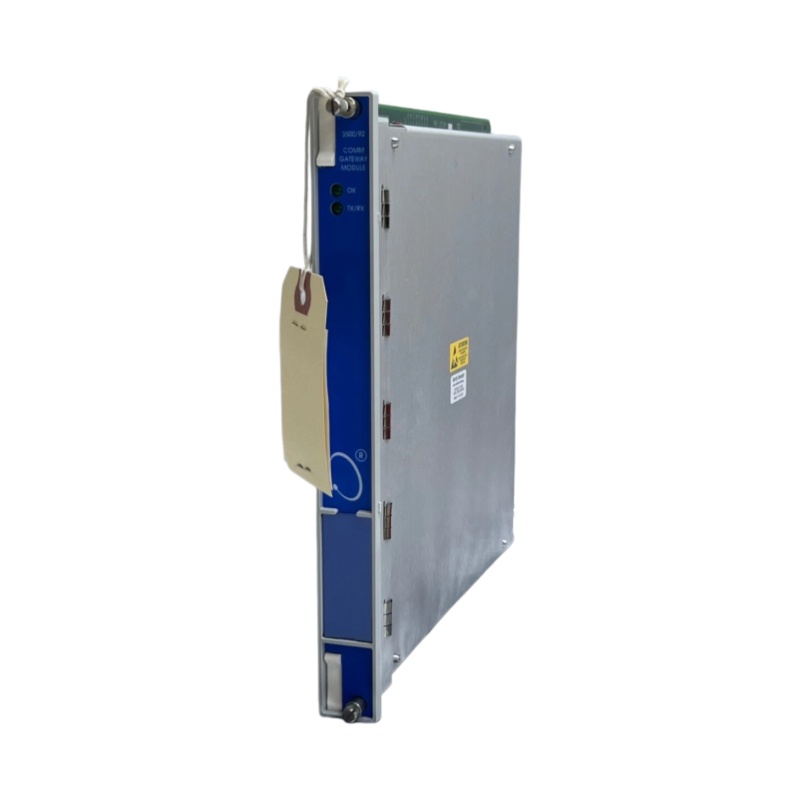
Bently Nevada 135489-02 I/O module
Bently Nevada 135489-02
1. Overview
The 135489-02 is an internal barrier I/O module belonging to the Bently Nevada 3500 series, specially designed to deliver intrinsically safe electrical connections. It is widely deployed in hazardous areas across industries such as oil and gas, chemical processing, and power generation, serving to connect a wide range of sensors (including proximity switches, accelerometers, velometers, etc.) and transmit signals to monitoring systems.
______________________________________________________________________________________________
2. Parameters and Technical Specifications
|
Parameter
|
Specification
|
Description
|
|---|---|---|
|
Part Number
|
135489-02
|
3500/42 I/O Module with Internal Barriers
|
|
Operating Temperature
|
-40°C to +65°C
|
Suitable for harsh industrial environments
|
|
Ingress Protection
|
NEMA 4
|
Waterproof and dustproof, ideal for outdoor or humid environments
|
|
Rated Voltage (Um)
|
250V
|
Maximum operating voltage
|
|
Rated Power (Pm)
|
20W
|
Maximum power consumption
|
|
Current (Im)
|
0.25A
|
Maximum operating current
|
|
Dimensions
|
Height 241mm (9.5″), Width 163.1mm (6.42″)
|
Standard rack-mounted size
|
|
Weight
|
Approx. 0.7 kg
|
Lightweight and easy to install
|
|
Certifications
|
CE, ATEX
|
Complies with EU hazardous area explosion-proof standards
|
______________________________________________________________________________________________
3. Product Features
Intrinsically Safe (IS) Design: Equipped with built-in internal barriers, the module eliminates the risk of ignition energy even under fault conditions, making it fully compatible with flammable and explosive working environments.
Multi-Channel Connectivity: Supports connection to various sensor types, including proximity sensors, accelerometers, and velometers, delivering flexible and reliable signal acquisition capabilities.
High Reliability: Built with industrial-grade components, the module features strong anti-interference performance, guaranteeing complete and stable data transmission.
Easy Integration: Complies with 3500 series standards and can be directly integrated into Bently Nevada asset monitoring systems without additional modifications.
______________________________________________________________________________________________
4. Structure and Components
Internal Barrier Circuitry: Provides electrical isolation and intrinsic safety protection to prevent hazardous electrical energy from entering explosive environments.
Terminal Block: Designed for secure wiring connections between external sensors and control systems.
Indicator Lights: Displays real-time status including power supply and fault alerts for quick troubleshooting.
Mounting Frame: Meets industrial rack mounting standards, enabling convenient installation in control cabinets.
______________________________________________________________________________________________
5. Applications
Oil, Gas and Petrochemical Industry: Condition monitoring for hazardous areas such as oil wells, natural gas processing stations, and chemical reaction vessels.
Power Industry: Explosion-proof monitoring for substations, generator sets, and other critical power equipment.
Manufacturing: Production lines involving flammable and explosive materials and processes.
Offshore Platforms: Harsh environment monitoring for offshore drilling rigs, offshore wind farms, and other offshore facilities.
______________________________________________________________________________________________
6. Installation and Maintenance Recommendations
Installation
- Follow Official Manuals: Perform all wiring and assembly operations strictly in accordance with the Bently Nevada installation manual to ensure compliance and safety.
- Proper Torque Application: Use a torque wrench to tighten wiring terminals to the specified torque values to avoid loose connections or damage.
- Seal Inspection: Verify that all O-rings are intact and properly fitted to prevent moisture and dust ingress.
Maintenance
- Regular Inspections: Routinely check the tightness of wiring connections and the integrity of sealing components to maintain long-term stable operation.
- Sensor Replacement: When replacing sensors, take care to protect mounting bracket threads and sealing surfaces to avoid wear and damage.
- Environmental Cleanliness: Keep the area surrounding the module clean and free of dust buildup to ensure proper heat dissipation and prevent performance degradation.
————————————————————————————————————-
If you would like to learn more about our products and services, please feel free to contact us at any time!
- Sales Manager : Jinny
- Email : sales5@xrjdcs.com
- Whatsapp/Mobile:+86 15359273791
Global renowned brand cooperation
ABB 丨 GE 丨Allen Bradley 丨 Honeywell 丨 Emerson 丨 Bently Nevada 丨 Westinghouse
Triconex 丨 Foxboro 丨 ICS Triplex 丨 Hima 丨 Schneider 丨 Yokogawa 丨 Woodward
—————————————————————————————
Why Partner With Us?
Why Choose Our Company?
- Authorized Distributor of Top Global Brands We supply genuine parts and equipment from world-leading manufacturers, such as A-B, ABB, GE, TRICONEX, BENTLY, EMERSON and other reputable brands.
- Superior Product Quality & Round-the-Clock Support Count on reliable, high-performance products and non-stop online assistance—we are available 24 hours a day, 7 days a week to solve your problems.
- Affordable Pricing & Speedy Delivery Get budget-friendly quotes without compromising quality, plus short turnaround times and on-time shipping for every order.
- Extensive In-Stock Inventory & Direct Factory Sourcing Benefit from a large, ready-to-ship stock and direct factory partnerships, cutting out middlemen and securing stable supply.
- Worldwide Express Delivery Safe and fast global shipping via premium couriers, including DHL, UPS, FedEx and TNT, delivering goods to your door across the globe.
Our Comprehensive Services
- Sales Team 24/7 dedicated service available all year round. We respond quickly, listen patiently and handle all your PLC and DCS product inquiries professionally and efficiently.
- Engineering & Quality Control Team Full-scale quality inspections are carried out for every product before delivery, ensuring zero defects and reliable operation for all items.
- Finance Team Efficient, transparent payment processing and prompt refund verification, keeping transactions smooth and secure.
- Warehouse & Logistics Team Strict order verification, careful and sturdy packaging, and timely dispatch to make sure your order arrives safely and on schedule.
- After-Sales Support Team A full-time professional after-sales team, working closely with the sales department to deliver fast, responsive and personalized after-sales care for all clients.
Write your message here and send it to us