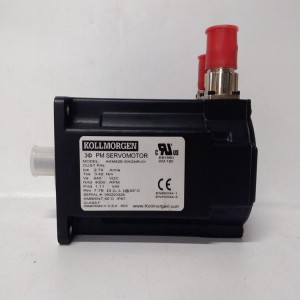
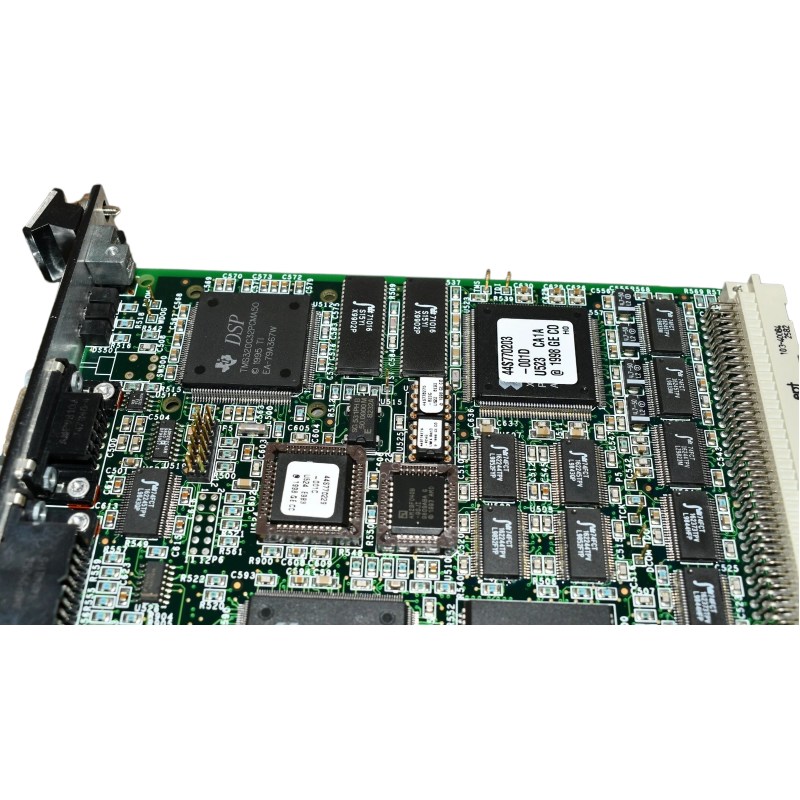
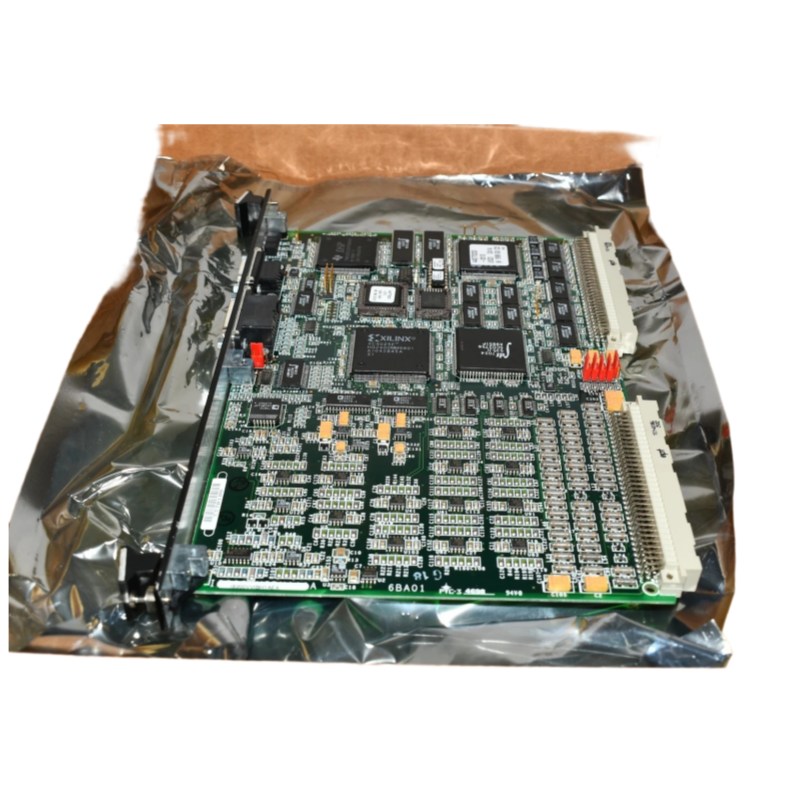
GE IS200VVIBH1A PCB board
GE IS200VVIBH1A
1. Overview
2. Structure and Composition
3. Main Parameters
|
Parameter Item
|
Specification
|
|---|---|
|
Manufacturer
|
General Electric (GE) / GE Fanuc
|
|
Affiliated Series
|
Mark VI Speedtronic Series
|
|
Board Type
|
VME Vibration Monitoring Card (VME Vibration Card)
|
|
Vibration Input Channels
|
Standard 4-channel configuration, configurable for 8-channel operation
|
|
Compatible Probe Types
|
Proximity sensors, velocity meters, seismometers, accelerometers (e.g., Bently Nevada probes)
|
|
Associated Terminal Boards
|
DVIB or TVIB
|
|
Communication Interface
|
VME Bus
|
|
Reference Manual
|
GEH-6421 《Mark VI Turbine Control System Guide》
|
4. Product Features
5. Application Fields
- Core vibration monitoring for gas turbines and steam turbines in Mark VI control systems
- Vibration level monitoring for auxiliary rotating machinery such as compressors, fans and pumps
- Condition monitoring and fault diagnosis of large-scale rotating equipment in power plants, petrochemical and other heavy industrial fields
6. Installation and Maintenance
————————————————————————————————————-
If you would like to learn more about our products and services, please feel free to contact us at any time!
- Sales Manager : Jinny
- Email : sales5@xrjdcs.com
- Whatsapp/Mobile:+86 18250705533
Global renowned brand cooperation
ABB 丨 GE 丨Allen Bradley 丨 Honeywell 丨 Emerson 丨 Bently Nevada 丨 Westinghouse
Triconex 丨 Foxboro 丨 ICS Triplex 丨 Hima 丨 Schneider 丨 Yokogawa 丨 Woodward
—————————————————————————————
Cut Maintenance Costs – Optimize operations and reduce expenses with our high-quality, affordable automation replacement parts.
Always Available – Essential automation parts are constantly in stock, ensuring zero downtime for your operations.
24/7 Support – Our team is ready around the clock to assist with urgent needs and inquiries.
Fast Delivery – Ready stock enables quick dispatch and fast shipping, keeping your operations running smoothly.
100% Quality Assurance – Every part is strictly tested to ensure reliability and long-term performance.
Competitive Pricing & Outstanding Service – Exceptional service and unbeatable pricing maximize your value.
Choose us today for peace of mind, cost savings, and operational efficiency like never before!