1. Overview
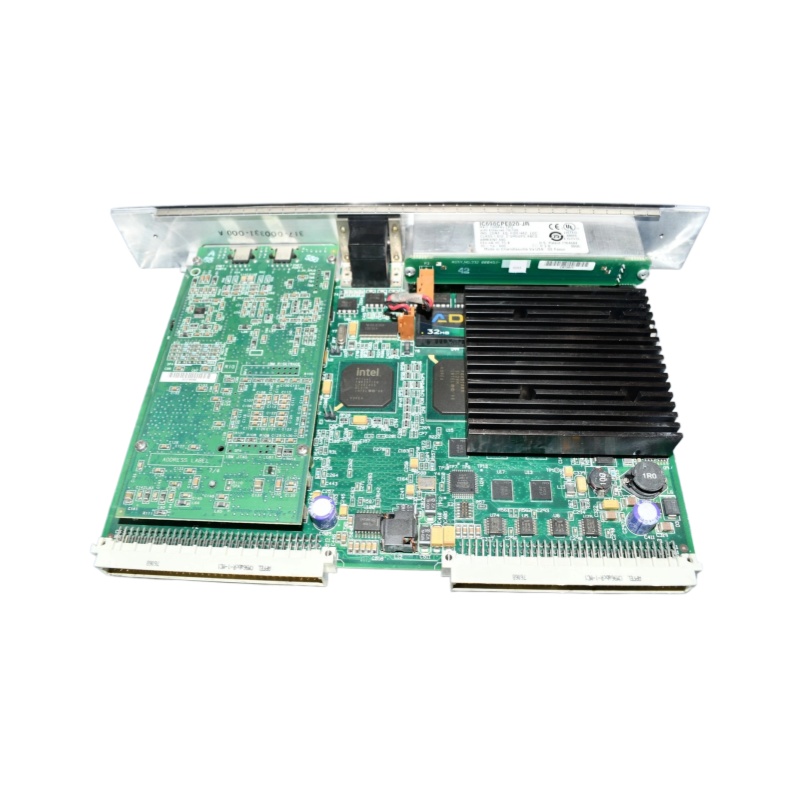
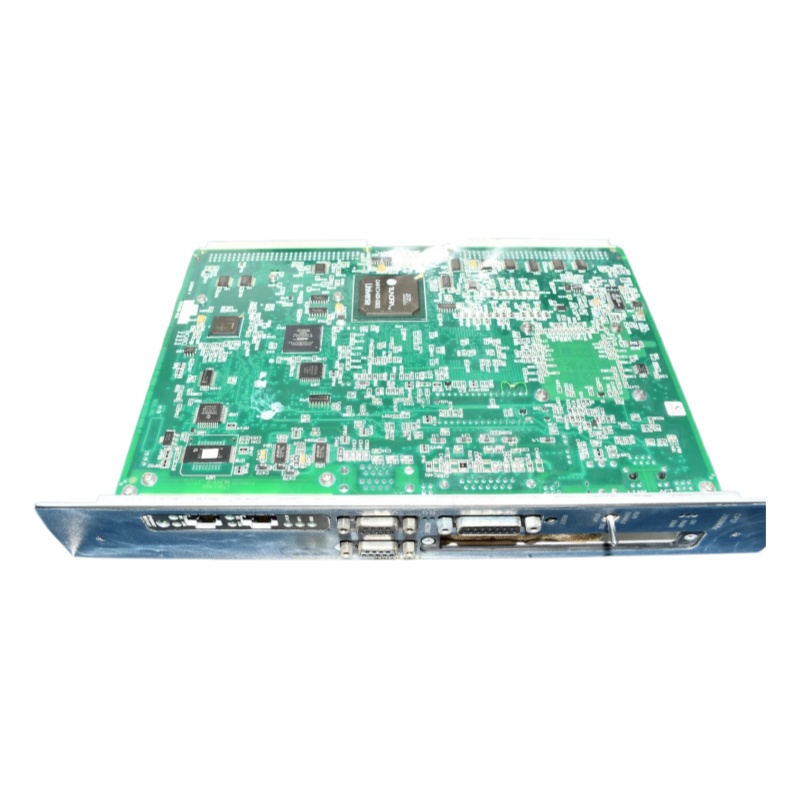
The IC698CPE020-JR is a central processing unit (CPU) module from the GE Fanuc series developed by General Electric (GE), serving as a core component of the PACSystems RX7i series. As the core of the control system, it is responsible for executing user programs and controlling I/O modules to realize automated control functions. Featuring high reliability, superior performance and convenient programmability, this module delivers a complete PAC solution for the industrial automation market.
2. Main Specifications
|
Parameter Item
|
Specification Value
|
|
Processor
|
700MHz Pentium III Floating-Point Processor
|
|
Memory
|
10MB Volatile RAM + 10MB Non-Volatile Flash Memory (NVRAM)
|
|
Ethernet Interface
|
2 Ethernet ports (10/100 Mbps; dual gigabit ports as stated in partial technical documents)
|
|
Serial Ports
|
3 serial ports (RS-232, RS-485)
|
|
Communication Protocols
|
Modbus RTU Slave, SNP, Serial I/O
|
|
Digital I/O
|
Maximum 32K bits
|
|
Analog I/O
|
Maximum 32K words
|
|
Maximum Program Blocks
|
512 blocks, maximum 128KB per block
|
|
Operating Temperature
|
0°C – 60°C; -40°C – +70°C (per partial technical documents)
|
|
Humidity Range
|
5% – 95% (non-condensing)
|
|
Power Supply
|
24VDC; 5V (per partial technical documents)
|
|
Dimensions
|
Approx. 130×90×40mm
|
|
Weight
|
Approx. 0.5kg
|
|
Programming Mode
|
Ladder Logic and C Language
|
3. Product Features
High-Performance Processing: Equipped with a 700MHz Pentium III floating-point processor, it delivers fast processing speed to meet the requirements of complex industrial control scenarios.
High Reliability: Adopts industrial-grade design, enabling stable operation in harsh industrial environments.
Excellent Compatibility: Achieves seamless integration with GE Fanuc series PLC systems.
Easy Installation and Maintenance: It features simple installation procedures and convenient daily maintenance. Firmware upgrade can be completed efficiently by connecting the module to a computer via a serial port and running the update software.
Powerful Communication Capability: Configured with multiple Ethernet and serial ports, supporting diverse communication protocols including Modbus RTU and SNP.
Multi-Task Processing and Self-Diagnosis: Supports multi-task operation and flexible programming, and is equipped with a self-diagnosis function to ensure long-term stable system operation.
Modular Design: As a core product of the PACSystems RX7i series, it features modularity, expandable performance and easy programmability.
4. Structure and Composition
Core Processor: 700MHz Pentium III floating-point microprocessor, providing core computing and control capabilities.
Memory Module
- Volatile Memory (10MB RAM): Used for temporary storage of operational data and running programs.
- Flash Memory (10MB NVRAM): Applied to store fixed programs and key data, with zero data loss after power failure.
CMOS Battery: Provides continuous power supply for volatile memory to maintain normal data storage and operation.
Communication Interfaces: Includes Ethernet ports and serial ports such as RS-232 and RS-485 for multi-mode data communication.
Inter-Module Communication: The module realizes data interaction and cooperative operation with other functional modules through the VME backplane.
5. Application Fields
The IC698CPE020-JR CPU module is widely adopted in various industrial automation control systems, covering multiple industry scenarios:
- Manufacturing Industry: Automated industrial production lines
- Process Control: DCS and PLC control systems for industrial process management
- Energy and Chemical Industry: Automated control and monitoring for energy production and chemical processing scenarios
- Discrete Control: Conveyors, packaging machines, pump stations, lighting systems and safety protection systems
- Data Acquisition and Analysis: Industrial data processing, remote monitoring and system data management
- Other Fields: Building automation, transportation industry, power supply systems and other industrial automation scenarios
6. Installation and Maintenance
6.1 Installation Guidelines
- Ensure the equipment rack complies with VME standard specifications before installation.
- Complete all installation operations in strict accordance with the official product manual.
- Equip the module with a qualified CMOS battery to guarantee the normal operation of volatile memory.
- Use Category 5 cables for Ethernet connection and complete standard TCP/IP configuration to ensure network communication stability.
6.2 Maintenance Guidelines
- Regular Cleaning: Keep the module surface and internal interfaces clean to avoid dust accumulation affecting heat dissipation and operation.
- Terminal Inspection: Periodically check all connection terminals to ensure firm and reliable wiring connections.
- Timely Firmware Update: Connect the module to a computer via a serial port and run the official update software to complete firmware upgrade or replacement, simplifying daily system maintenance.